IEEE TASE 2025 · IROS 2025 presentation
ConsDRED
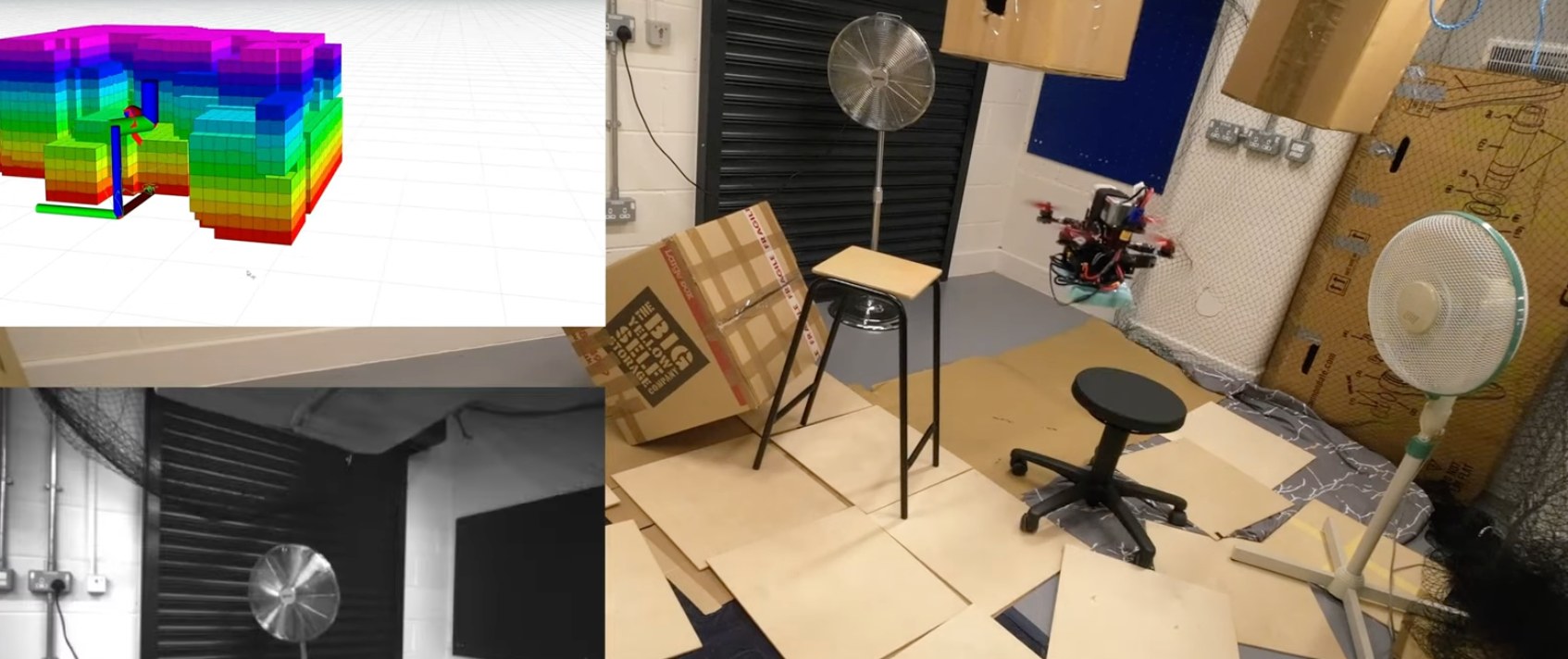
Constrained distributional reinforcement learning for trustworthy quadrotor tracking control.
SysAL develops algorithms, systems and tools for the physical world. Our work spans learning and control, mission-level planning, learning for intelligent communications, 3D-printed electronics, and privacy-preserving sensing.
We study how autonomous systems learn, make decisions and operate reliably under uncertainty, combining reinforcement learning, predictive control and interpretability.
Constrained distributional reinforcement learning for trustworthy quadrotor tracking control.
Rain effects on visual odometry for autonomous aerial vehicles, with efficient edge-based rain classification.
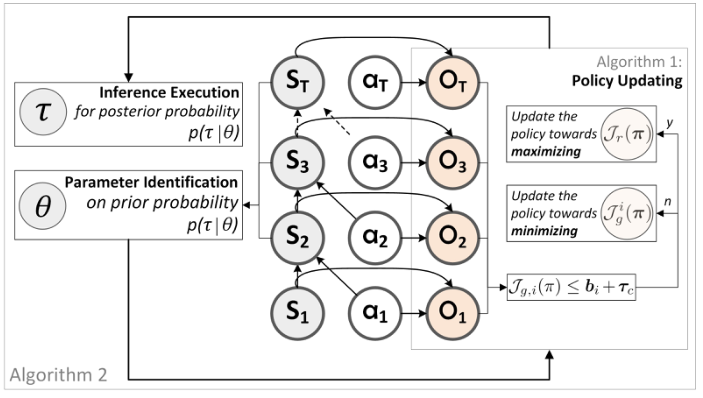
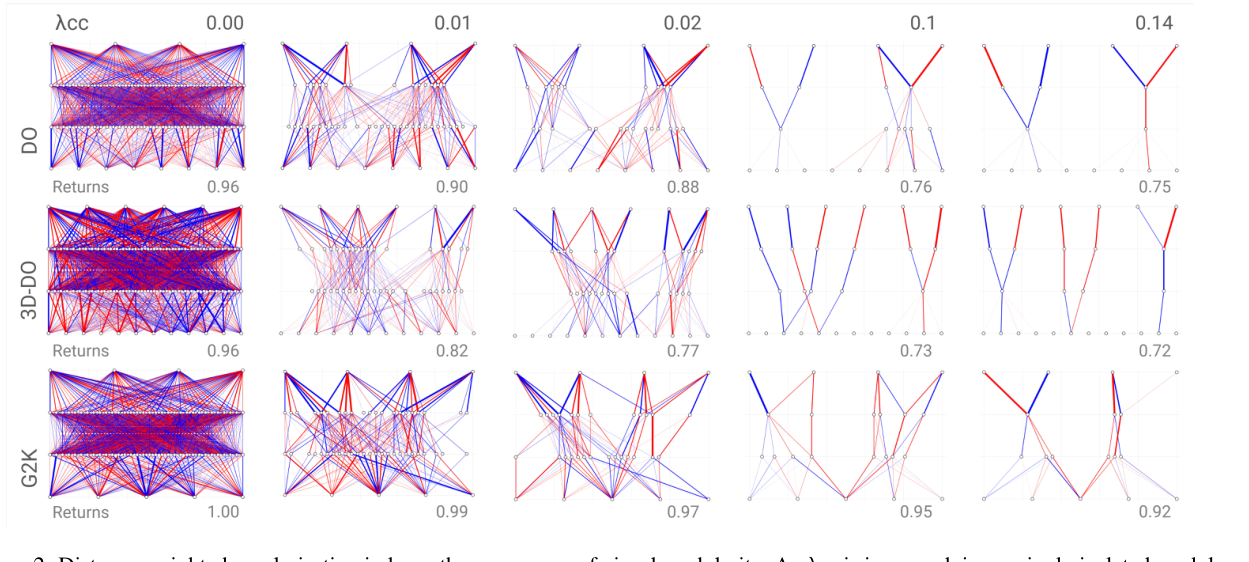
Interpretable distributional reinforcement learning using uncertain contraction metrics for precise quadrotor trajectory tracking.
Autonomous systems must decide not only how to act, but what to do next. We develop methods for mission-level planning, routing and resource allocation when costs, opportunities and operating conditions are uncertain or change over time.
Our work combines combinatorial optimisation, probabilistic modelling and adaptive replanning, connecting high-level mission decisions to the constraints of physical systems.
CRaSZe-AntS optimises routes and service locations across overlapping target regions, accounting for resource budgets and non-uniform service costs.
Combining offline planning, Bayesian energy-cost estimation and online replanning for UAV missions servicing wireless rechargeable sensor networks under uncertain conditions.
We investigate how learning-based methods can improve the performance, adaptability and trustworthiness of wireless communication systems. Our work combines reinforcement learning, multi-agent decision-making and network optimisation to address mobility, resource allocation, energy efficiency and service quality.
A particular focus is aerial communications, where platform trajectories and wireless resources must be optimised together. We also examine how explainable and causal learning can help people understand and trust AI-driven networks.
Shared deep Q-learning with action masking coordinates multiple UAVs, their three-dimensional trajectories and NOMA power allocation as mobile user groups change.
Dual-actor reinforcement learning jointly optimises UAV movement, beamforming and coupled reconfigurable-surface coefficients, balancing throughput, energy and fairness in simulation.
A review of stakeholder-specific explanations, reinforcement learning and causal understanding for trustworthy AI-enabled communications, including network slicing and UAV use cases.
We develop accessible fabrication tools and methods for integrating electronics into three-dimensional forms, from thermoformed circuits to five-axis and multi-material printing.
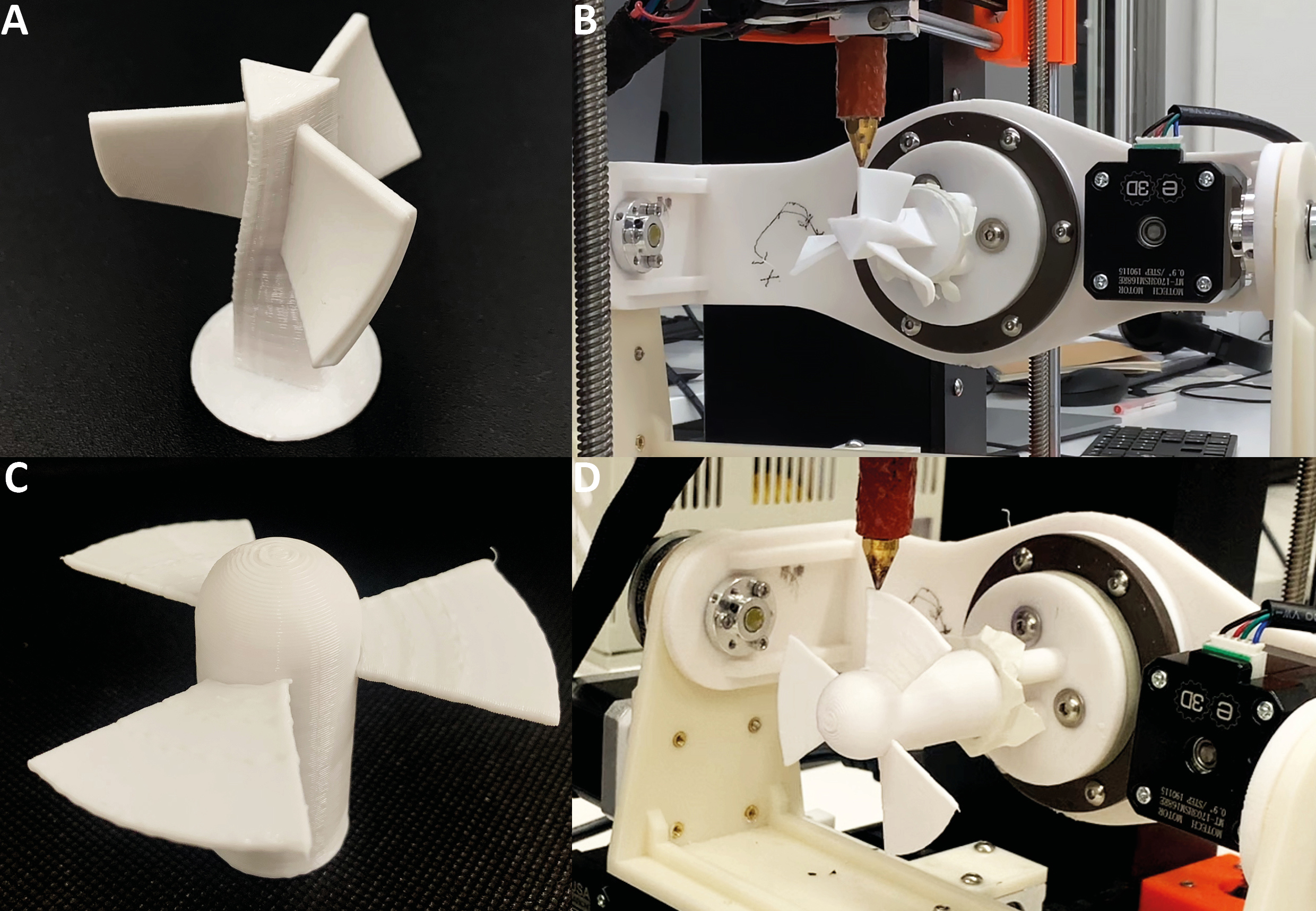
Five-axis desktop printing, conformal toolpaths and multi-material electronics.
MM-Open5x: Practical Conformal Electronics via Multi-Material Multi-Axis Additive Manufacturing · IEEE AMES 2026 · To appear.
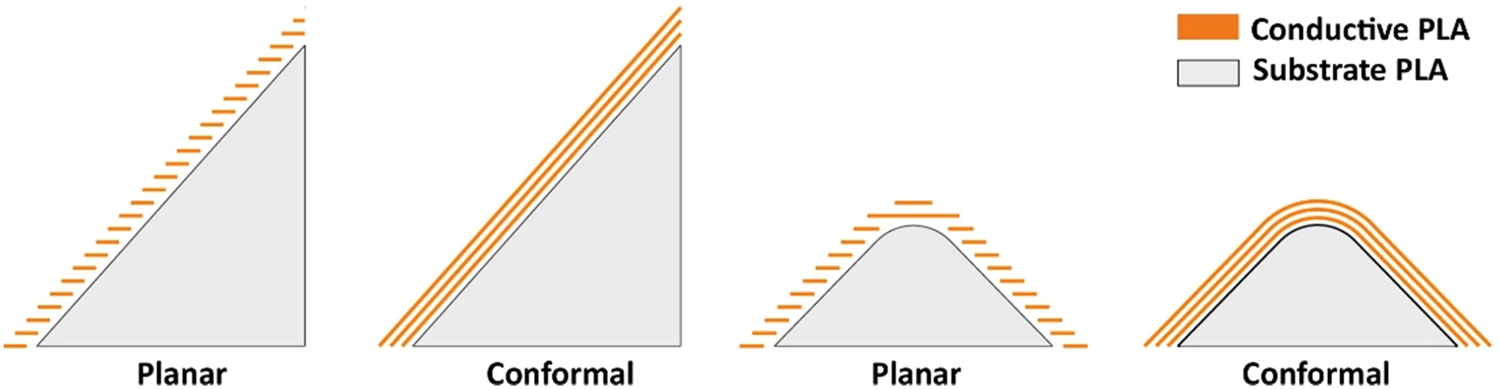
Five-axis, multi-material printing deposits conductive traces along curved surfaces, improving electrical performance compared with planar deposition.

Desktop five-axis multi-material fabrication of S-band patch and ultra-wideband antennas, with measured performance against planar-printed counterparts.
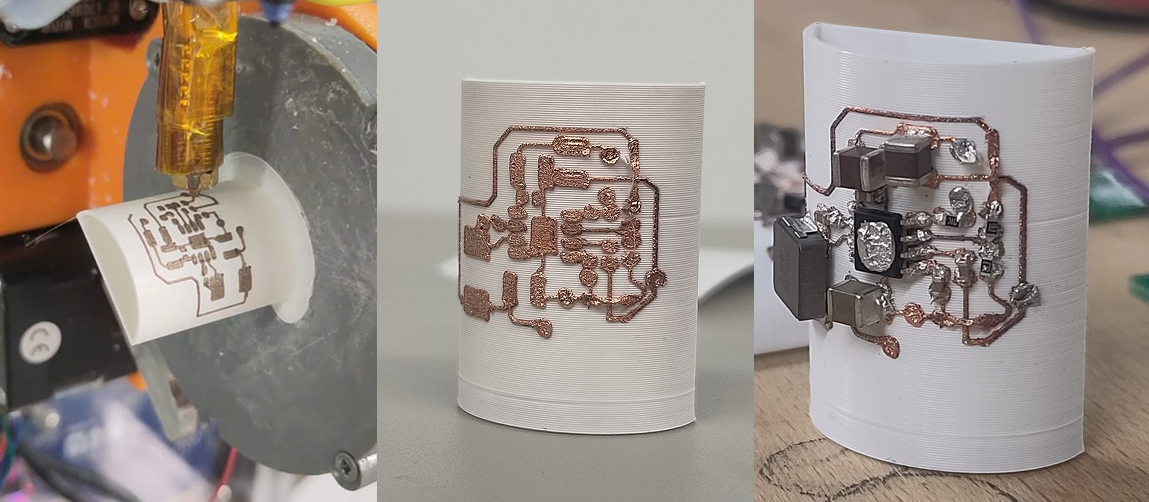
Multi-layer surface-mounted circuitry and an assembled switching regulator printed on a curved substrate, explored for resilient space systems.
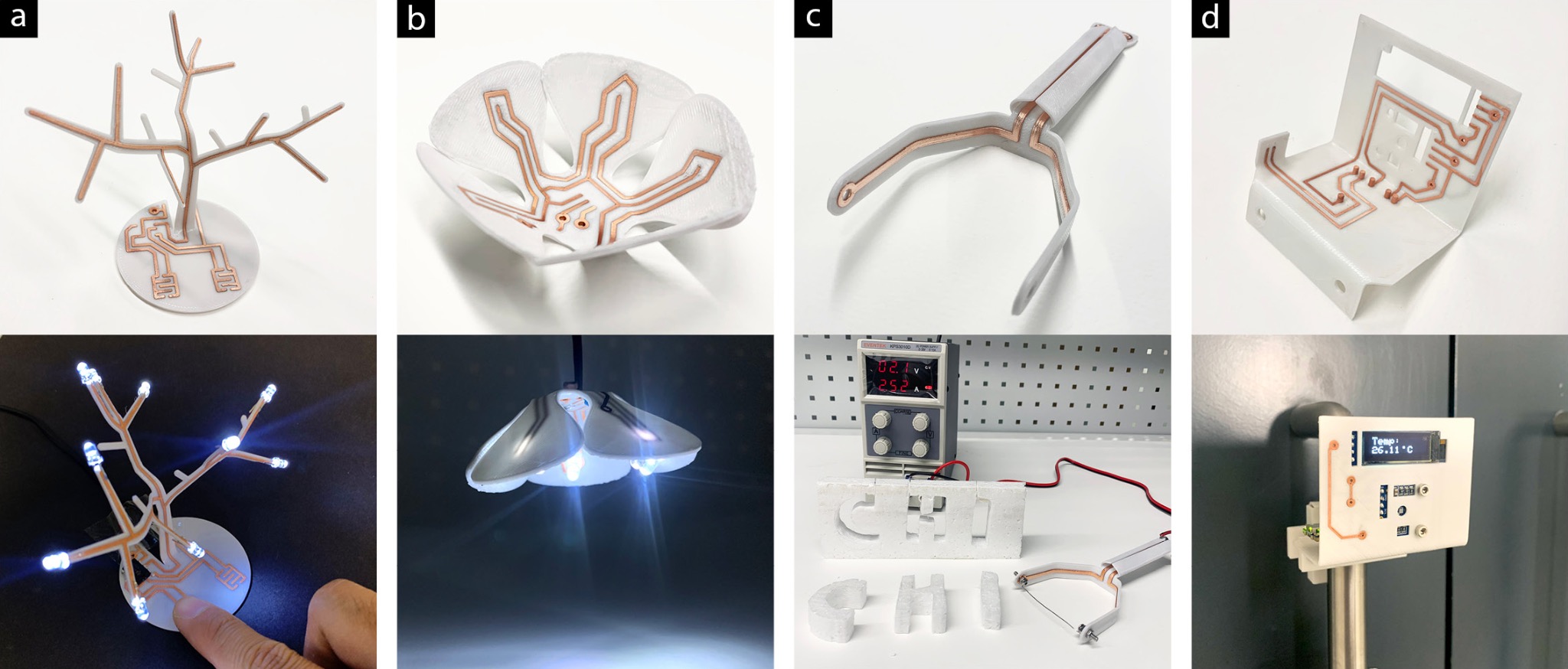
Heat-bent, copper-plated circuits in freeform objects, including interactive lamps and sensors.
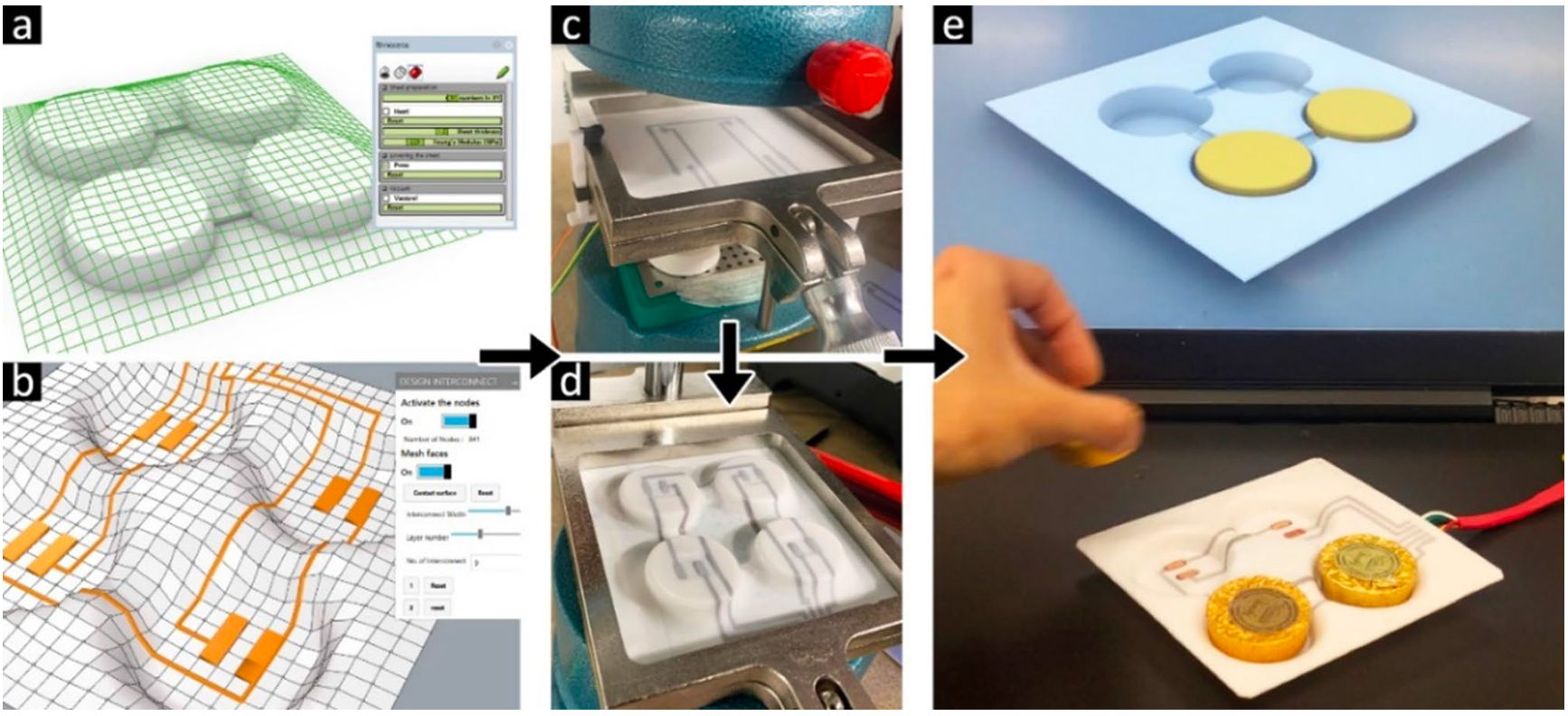
Thin, rigid interactive surfaces with embedded conductive traces, formed from printed sheets.
Sensing systems can reveal considerably more about people than the information they are intended to collect. We investigate methods for limiting unnecessary disclosure while preserving the utility of the data and the services that depend on it.
Our work on paralinguistic privacy explores how sensitive attributes can be filtered from speech signals, including through configurable processing and privacy-preserving computation at the edge.
EDGY filters sensitive attributes from voice representations on resource-constrained devices before cloud processing.
Disentangled representations help separate useful linguistic information from sensitive paralinguistic attributes.
Configurable protection of sensitive information in automatic speech-recognition workflows.